
truth has been shaping culture and saving lives for 25+ years, helping make public health history twice in the process. Since the first truth campaign aired in 2000, youth smoking prevalence declined from 23% to under 2% today, and youth e-cigarette use is at its lowest level in a decade. Named by Ad Age as one of the most influential messaging programs of the 21st century, truth has won many high-profile awards, including Effies, Cannes Lions, and Emmy Awards, among others. See some recent campaigns.
Toxic Therapy
Toxic Therapy
"Toxic Therapy from Your Vape" addresses the alarming connection between vaping nicotine and youth mental health by featuring actor and comedian Chris Parnell in an animated role as a vape-turned-faux therapist. The campaign highlights the misconception that vaping nicotine helps alleviate stress and anxiety, when in fact, research shows nicotine can intensify feelings of anxiety and depression and increase levels of stress. Five animated short videos including “Texting Anxiety,” “Hypnotherapy,” and “Sleep Exercises,” feature the Toxic Therapist offering unhealthy and detrimental advice during moments of stress.
Breath of Stress Air
Breath of Stress Air
“Breath of Stress Air” busts the fantasy that vaping nicotine is a stress reliever and calls out the tobacco industry for promoting vaping nicotine as a way to deal with stress. The multi-platform campaign employs typical wellness content, tropes, and visuals and then flips the script to debunk the myths so that young people can see vaping nicotine for what it can be: an amplifier — not an alleviator — of stress.
The Truth About Opioids
The Truth About Opioids
The Truth About Opioids campaign tells the stories of young people who became dependent on the powerfully addictive drugs, including 26-year-old Rebekkah. Treatment Box, which won an Emmy Award, captured Rebekkah’s story through a multiscreen installation in New York City and brought Americans face-to-face with her opioid addiction, withdrawal and treatment.

Ready to Ditch JUUL
Ready to Ditch JUUL
Featuring young people ditching their JUULs in creative ways, “Ready to Ditch JUUL” celebrates quitting and promotes truth’s text message quitting program, This is Quitting, now part of EX Program by Truth Initiative.
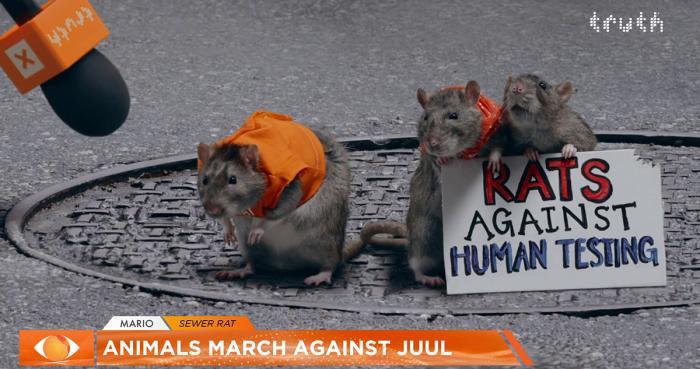
Tested on Humans
Tested on Humans
“Tested on Humans” emphasizes how little is known about the long-term effects of e-cigarettes which, without comprehensive regulation, can expose users to nicotine addiction — allowing them to be treated like human guinea pigs. Just as humans speak out when companies test their products on animals, “Tested on Humans” features “King of Pop Culture” Doug the Pug and other animals speaking out in interactive broadcast and digital content to warn e-cigarette manufacturers like JUUL not to test a product with unknown effects on humans.
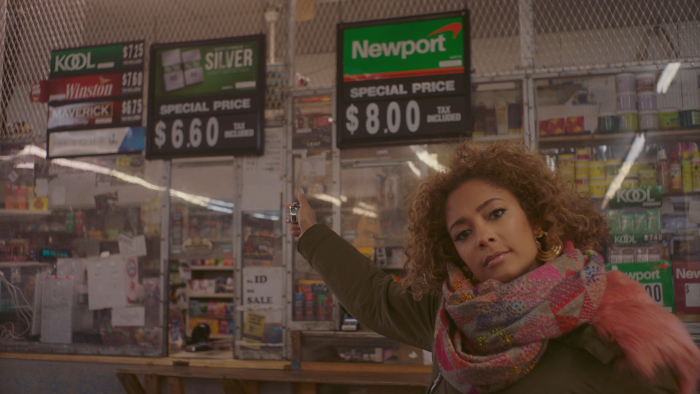
#STOPPROFILING
#STOPPROFILING
Tobacco is not an equal opportunity killer. "#STOPPROFILING" shines a light on how the tobacco industry deliberately singles out communities that already face adversity and inequality with aggressive marketing tactics that equal profiling. The campaign features television host and comedic actress Amanda Seales, known for her ability to take serious topics and make them resonate with a youth audience.

#WorthMore
#WorthMore
truth again called attention to tobacco industry targeting with its “#WorthMore” campaign, starring Imagine Dragons lead vocalist Dan Reynolds and country star Jon Pardi. The campaign video, which debuted at the 2018 Grammy Awards, exposes the tobacco industry’s exploitation of low-income communities.

Left Swipe Dat
Left Swipe Dat
Profile pictures that include smoking get rejected with “left swipes” almost twice as often as those that do not. The music video, introduced during the 57th Grammy Awards, used humor to deliver the message that tobacco is not only bad for your health, it’s a killer for your love life.
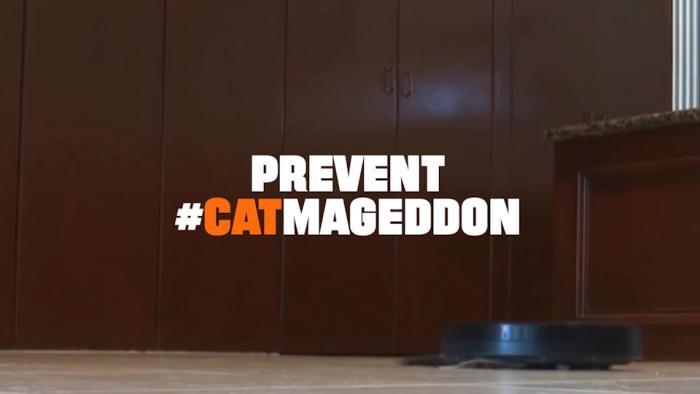
#CATmageddon
#CATmageddon
With more than 1.1 million cat channels on YouTube, the threat of an internet without cat videos underscores the urgency of the tobacco epidemic for a pet-loving generation connected by strong social networks. The humorous ad carries a serious message about second-hand smoke: Dogs and cats who live in a smoking household are twice as likely to get cancer.
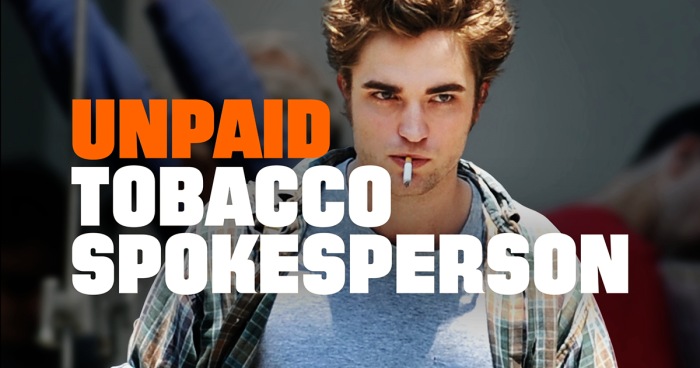
Unpaid
Unpaid
Tobacco companies continue to adapt their tactics to attract new customers, and smokers themselves have inadvertently become their best marketers, whether they recognize it or not. Every ‘like’ and every ‘share’ of a smoking-related picture on social media is a big win for Big Tobacco, contributing toward the re-glamorization and societal acceptance of smoking. This effort calls attention to the power and influence that social media provides — for celebrities and individuals alike. Don’t become an unpaid spokesperson.

FINISH IT
FINISH IT
The "Finish It" campaign, aimed at empowering young people to make their generation the one to quit smoking, debuts at the MTV awards with a hopeful message of empowerment.